
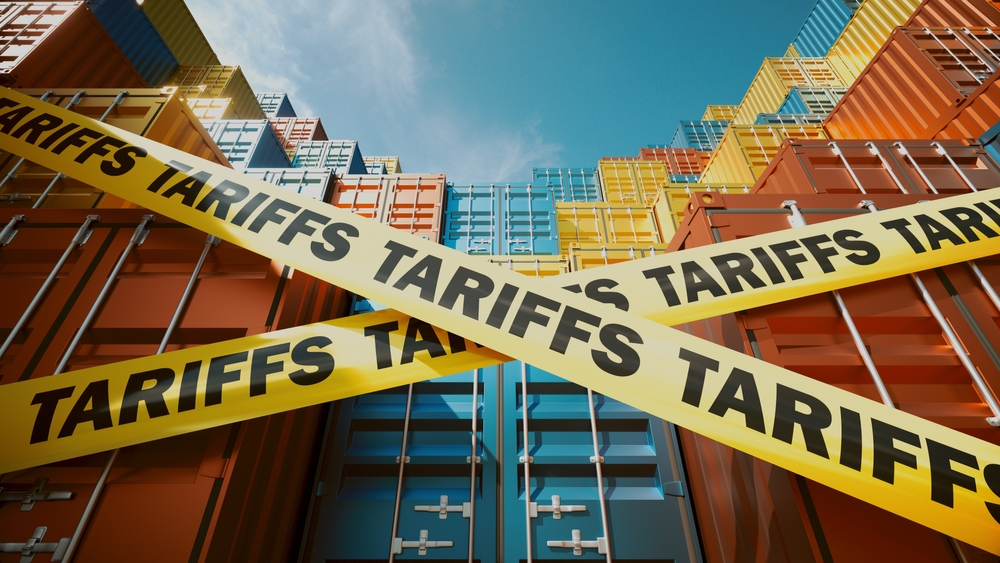
In February, we’re unlikely to see a sudden “new tariff” headline. However, we’re seeing a quiet mix of legal uncertainty, shifting shipping routes—including a potential loosening of trade restrictions with Venezuela—and rate swings that can change your landed cost between quote and delivery. Questions? Contact us.
For buyers of specialty oils for rubber, plastics, adhesives, industrial fluids, or other formulations, this month’s smartest move is to pressure-test assumptions before booking the next load.
Here’s what changed, what’s likely to change next, and what to ask your broker, forwarder, and supplier right now.
Tariff and Policy Changes to Watch in February
Policy updates have been active again, but the real impact for most specialty oil buyers shows up in the details: which actions are still paused, what’s still enforceable, and how quickly the legal landscape could shift your duty exposure.
1. Section 301 Exclusions: Still Extended, Still “HTS-Exact”
The big takeaway hasn’t changed: exclusions only help if your paperwork matches the covered Harmonized Tariff Schedule (HTS) line and product description.
The Office of the United States Trade Representative (USTR) has extended a set of China Section 301 exclusions through November 10th, 2026.
If you import items tied to your specialty oil program (like packaging components), this is a good month to re-check classification and documentation before more peak-season shipping starts stacking up.
2. The Supreme Court Tariff Case: Still Hanging Over 2026 Planning
As you plan costs for the rest of Q1 (and beyond), this is the headline to keep an eye on. Not because it changes your invoice tomorrow, but because it could change what companies fight over later.
The Supreme Court has not yet ruled on the legality of tariffs imposed under the International Emergency Economic Powers Act (IEEPA) (International Emergency Economic Powers Act), and U.S. Trade Representative Jamieson Greer has emphasized how high the stakes are.
“We’ve built a new trade order on the back of these tariffs. So the stakes are enormous, and I think the court … is being very careful and considerate as to how they deal with this issue of extreme national interest.” – Jamieson Greer, U.S. Trade Representative
Separately, new litigation activity (including a lawsuit by automaker BYD seeking refunds) is a reminder that many importers are taking “protective” legal steps while they wait.
3. USMCA Review Pressure: Predictability Still Matters More than the Headline Rate
For many specialty oil buyers, North America remains stable for sourcing, especially when goods qualify under the United States–Mexico–Canada Agreement (USMCA).
But the calendar matters. The first joint review of the USMCA is set to begin July 1, 2026 (the sixth anniversary of entry into force).
Even if nothing changes on day one, review cycles tend to raise questions from customers, auditors, and finance teams, so it’s smart to get your origin documentation clean now, not later.
4. Venezuela Imports: Loosening of Trade Sanctions and New Licenses for Oil Shipping and Investment
The U.S. has loosened some of the trade sanctions on Venezuela. The first large, heavy crude imports have already been booked. Licenses have also been granted to invest in the oil sector there.
The situation is changing quickly. At this point impacts on specialty oils are limited, but that can change. Stay tuned. We will continue to follow developments and share details in future updates.
Shipping and Surcharges: February Is a Routing and Rate “Crossfade”
This month is unusual because two forces are colliding: a cautious return to Red Sea / Suez routings and a rate environment that can drop quickly when capacity loosens.
1. Red Sea / Suez: Returns Are Real, but Still Conditional
Maersk and Hapag-Lloyd have signaled they are resuming some Red Sea and Suez Canal transits (with naval escorts) as of mid-February.
That’s meaningful, but it doesn’t mean every service flips back overnight. Expect mixed routings to continue, lane by lane and week by week.
2. Container Rates: Watch the Week-to-Week Numbers (Not Last Month’s Quote)
Rates are moving fast as carriers balance demand, blank sailings (cancellations), and capacity.
Here are a few recent signals worth using as “cost alarms” in your landed-cost model:
- Drewry’s World Container Index (WCI) fell 7% to $1,959 per 40-foot container in the week of February 5.
- Freightos reported early-February declines on major lanes in its weekly update (for example, Asia–U.S. West Coast and Asia–North Europe).
- Xeneta also reported spot rates falling across key Far East fronthauls, while warning carriers may respond with more blank sailings.
One extra signal to keep in mind: Maersk has warned that a broader return to Red Sea routings can increase effective capacity (shorter trips free up ships), which can lower freight rates, but the transition period can still be bumpy.
3. War-Risk and “Event Costs”: Tanker Incidents Still Move Insurance and Surcharges
Even if your cargo never touches the Black Sea, disruption patterns can change how insurers and carriers price risk.
As we wrote about last month, events like the early-January drone attack on a Russia-bound oil tanker in the Black Sea can affect your costs. These events can show up later as higher premiums, tighter routing decisions, or surprise surcharges, especially energy-linked trades.
4. Lunar New Year Timing: The Calendar Still Shapes Booking Behavior
Lunar New Year 2026 falls on February 17, and Freightos noted that the typical pre-holiday booking peak window was expected around February 3–10.
If you’re importing specialty oils or inputs tied to Asia-origin supply, this is a reminder to confirm space, cutoffs, and routing assumptions early, especially if you’re trying to avoid last-minute “valid until further notice” add-ons.
Buyer Checklist: How to Protect Your Margins in February
February is a good month to tighten the basics, because the market is giving mixed signals. Some costs are easing, some risks are rising, and the gap between “quote” and “landed” can widen fast.
- Confirm HTS (Harmonized Tariff Schedule) codes and origin documentation for every specialty oil and any related imported items (like packaging).
- Ask your broker to validate Section 301 exclusion applicability at the HTS line level (not “we think so”).
- Ask your forwarder how Red Sea / Suez routing is being handled for your specific service (and what would trigger a re-route).
- Build two freight scenarios in your landed-cost model: one assuming Cape of Good Hope routing and one assuming partial Suez use.
- Don’t anchor to January pricing. Use the current index movement as your signal to re-quote and re-check timing.
- Track “event risk” as a cost input (insurance and surcharge behavior), not a news obsession.
- If North America sourcing is part of your plan, get USMCA documentation organized ahead of the July 1 review cycle.
Don’t Let Oil Tariffs and Shipping Costs Get You Down: Renkert Oil Can Help
February’s pricing picture is a moving target. You may see freight quotes soften one week and then get hit with a routing change or a surcharge the next.
And on the tariff side, the biggest near-term risk is confusion: misclassified HTS lines, missing origin support, or assumptions that don’t match what customs (or your carrier) will enforce.
At Renkert Oil, we help specialty oil buyers stay ahead by:
- Supplying specialty oils (including Chevron Group II/III base oils, Shell gas-to-liquid (GTL) isoparaffins, and food-grade white mineral oils) with clear support for documentation and consistency.
- Staying close to trade and logistics developments so policy shifts don’t surprise you after you’ve committed to volumes.
- Coordinating with logistics partners so routing, timing, and surcharges are part of the plan, not a last-minute scramble.
If you’re booking late-Q1 shipments or updating your 2026 cost model, contact Renkert Oil today. We’ll help you validate tariff assumptions, pressure-test freight scenarios, and build a supply plan that holds up no matter what the market throws at you.
Ready to learn more? Talk to us.
FAQs: Oil Tariffs and Shipping, February 2026
- Why can my landed cost change even if tariffs don’t?
Your delivered price can shift because freight rates, routing changes, insurance, and surcharges can move between the time you get a quote and the time your shipment arrives. - What are Section 301 tariffs and why do they matter for specialty oil buyers?
Section 301 tariffs are extra duties applied to certain imports from China. They matter because they can affect not only some oils, but also related items like packaging components that impact your total cost. - What does “HTS-exact” mean for Section 301 exclusions?
It means the exclusion only applies if your product matches the exact Harmonized Tariff Schedule (HTS) code and description covered by the exclusion. Close is not good enough. - What should I double-check before claiming a Section 301 exclusion?
Confirm your HTS code, product description, and supporting paperwork are correct and consistent. If your broker says “maybe,” ask for HTS-level confirmation. - Why is the Supreme Court tariff case something buyers should watch?
Because a decision about the legality of certain tariffs could affect how companies handle refunds, challenges, or compliance later—even if nothing changes on tomorrow’s invoice. - What is USMCA and how can it help reduce tariff risk?
USMCA (United States–Mexico–Canada Agreement) is a trade agreement that can allow qualifying goods to move with reduced or zero tariffs. The key is meeting the rules of origin and keeping clean documentation. - Why does the USMCA review in July 2026 matter now?
Review cycles can raise questions from customers, auditors, and finance teams. Getting origin documentation organized now helps you avoid delays and surprises later. - Why are carriers talking about a return to Red Sea and Suez routes?
As Yemen-based attacks near the entry to the Suez Canal/Red Sea have stopped, risk is reduced. Some carriers are resuming limited transits (with escorts), which can shorten sailing times versus routing around Africa. Shorter trips can change both transit time expectations and freight pricing. - What are “blank sailings,” and why do they affect my freight cost?
Blank sailings are canceled voyages. Carriers use them to reduce capacity, which can tighten space and push rates up or create schedule disruptions. - What can I do this month to protect margins on specialty oils?
Validate HTS codes and origin documents, ask how routing decisions could change mid-shipment, model two routing scenarios (Cape vs. partial Suez), re-quote instead of anchoring to last month’s rate, and watch event-driven insurance and surcharge signals. - What do loosened Venezuela sanctions mean for specialty oil buyers right now?
The U.S. has loosened some trade sanctions on Venezuela, and early signs include booked imports of heavy crude plus new licenses tied to oil shipping and investment. For most specialty oil buyers, the near-term impact looks limited, but the situation is changing fast. If Venezuela supply expands or shipping patterns shift, it could influence feedstock availability, pricing, or freight conditions over time—so it’s worth monitoring in future updates.