
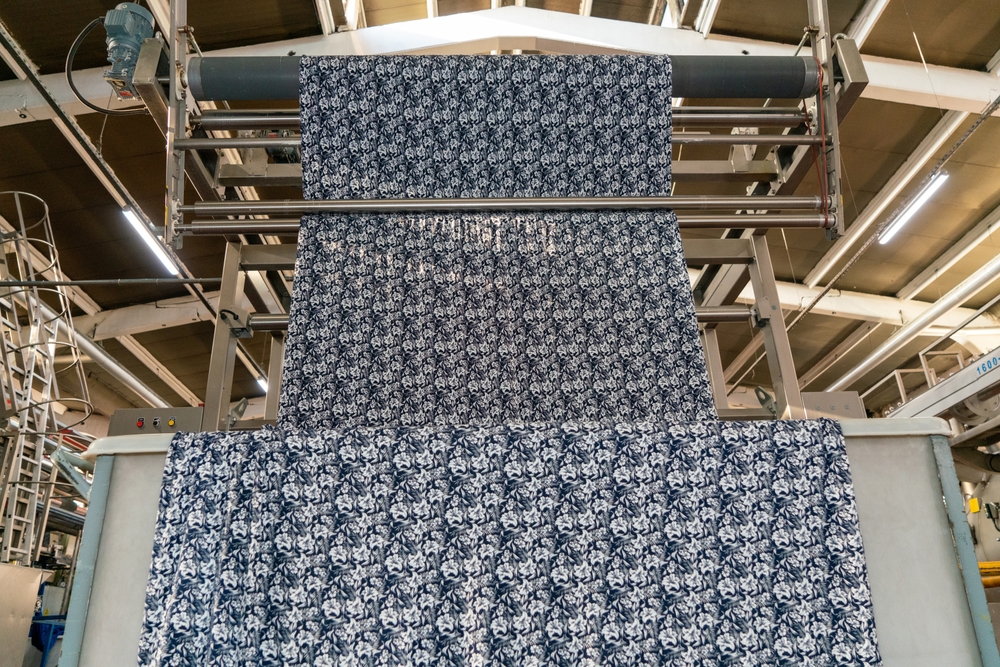
White oil suppliers play a quiet but important role in textile production. From fiber handling to machine lubrication to finished-product quality, the right oil can help manufacturers keep fabric moving, protect light-colored materials, and reduce avoidable production problems. Questions? Contact us.
Textile manufacturing puts materials through a lot of friction.
Fibers are spun, wound, knitted, woven, finished, packaged, and shipped. At each step, oils and lubricants may be needed to reduce wear, control static, protect equipment, or help fibers move more smoothly through the process.
That is where high-purity white mineral oil can be useful. Because it is clear, odorless, and highly refined, white oil can support textile applications where color, odor, purity, and consistency matter.
Why White Oil Suppliers Matter in Textile Production
Textile producers have to balance speed, quality, and consistency. A lubricant that performs well in one part of the process may create problems somewhere else if it stains fabric, leaves odor behind, interferes with downstream finishing, or lacks the documentation a customer needs.
White mineral oil is often used because it offers a clean, neutral base that is UV resistant to yellowing. It’s ideal when manufacturers want a refined, low-odor, low-color oil with strong quality controls.
In textile plants, white oil may support:
- Fiber lubrication
- Yarn processing
- Knitting and weaving operations
- Needle and machine lubrication
- Finishing aids
- Protective or conditioning formulations
- Light-colored textile and leather applications
The key is matching the oil to the process. A textile manufacturer may need a lighter oil for easier spreading, a heavier oil for more film strength, or a specific viscosity range to meet equipment and product requirements.
Supporting Smooth Fiber and Yarn Processing
Friction is one of the biggest challenges in textile production.
As fibers and yarns move at high speed, they pass through guides, rollers, needles, and other contact points. Too much friction can lead to broken yarns, heat buildup, static, inconsistent tension, poor fabric quality, or even metal guides eroding or being cut by dry fiber friction.
White oil can help reduce that friction. In fiber and yarn applications, it may be used as a base oil in lubricants that help yarn move more smoothly through processing equipment. As a coning oil, a.k.a. yarn lubricant, it helps yarn perform during rewinding, knitting, and weaving.
For textile manufacturers, this is not just an equipment issue. It can affect the final product. Poor lubrication can contribute to uneven tension, thread breaks, and production slowdowns. In high-speed textile operations, those small issues can add up quickly.
A strong white oil supplier helps by asking the right questions:
- What fiber or yarn is being processed?
- Is the material dyed or undyed?
- Will the oil need to be removed later?
- What temperature and speed will the process involve?
- What viscosity has worked before?
- Are there odor, color, or documentation limits?
These questions help narrow the field before testing begins.
Protecting Color and Odor in Sensitive Applications
Color stability matters in textiles. Even a slight yellow tone, odor, or residue can create problems for manufacturers working with light-colored fabrics, apparel, home textiles, medical textiles, or premium materials.
That’s one reason white oil is often preferred over lesser-refined oils in sensitive applications. A high-purity white oil is designed to be colorless and odorless. It can help manufacturers avoid unwanted discoloration or smell, especially when the oil may contact fibers, yarns, fabric, or finished goods.
This is especially important for white, pastel, or transparent textile products. It also matters when textiles are used in consumer products where smell or skin contact may be part of the customer experience.
White Oil Suppliers Also Support Health & Safety Compliance
The textile industry faces growing pressure around harmful substances. Programs such as OEKO-TEX® STANDARD 100 focus on testing textiles for substances that may be harmful to human health. White oil selection alone does not make a textile compliant with any certification, but choosing cleaner, well-documented inputs can support a stronger overall quality and compliance process.
Helping Equipment Run Cleanly
White oil is not only used on fibers and fabrics. It can also be part of textile machine lubrication strategies, including applications around knitting machines, needles, cams, slides, and other moving parts.
Textile plants often run equipment for long periods of time. Lubricants must help manage friction and wear without creating new issues on the line. In some applications, the oil may need to be scourable, washable, low-staining, or compatible with other finishing steps.
The right oil can help support:
- Smooth machine movement
- Reduced wear on metal parts
- Lower risk of oil stains
- Cleaner operation around light-colored goods
- More predictable maintenance
- Better consistency from batch to batch
A supplier’s role is not limited to selling a drum or tote. Good white oil suppliers help customers think through how the oil behaves in the real production environment.
Supporting Documentation and Customer Requirements
Textile buyers are asking more questions about inputs, supply chains, and product claims. Even when a textile application is not regulated like food, pharma, or personal care, buyers may still need documentation for internal review, customer audits, export requirements, or brand standards.
This is where supplier support matters. Textile manufacturers may need certificates of analysis, safety data sheets, regulatory statements, origin information, or documentation tied to specific grades and lots.
For textile manufacturers, strong documentation can help answer questions like:
- What exactly is in this oil?
- Does it meet the stated specification?
- Can the supplier provide lot-specific documentation?
- Is the product consistent from order to order?
- Can the oil support export or customer review needs?
- Has the supplier helped with similar applications before?
When a customer asks these questions, the oil supplier should be ready to answer them.
Keeping Textile Plants Supplied
Textile production depends on steady inputs. If a key oil becomes unavailable, the manufacturer may have to test a replacement, adjust the process, slow production, or risk inconsistency.
That’s why supply reliability matters. A good supplier helps customers plan ahead, protect inventory, and avoid last-minute substitutions.
Manufacturers should ask suppliers about strategic logistics capabilities, such as options to move white oils by truck, rail, and other routes when needed, and supply chain transparency to have better visibility into product quality, cost, and availability.
For textile manufacturers, this can be especially useful when:
- A plant uses the same oil across several lines
- A customer requires consistent lots or documentation
- Seasonal production changes increase volume
- A formula or process cannot easily switch oils
- A domestic supply option would reduce risk
The right oil is only helpful if it arrives when production needs it.
Matching White Oil to the Textile Application
There is no single white oil for the entire textile industry. The right choice depends on the job the oil needs to do.
A fiber lubricant may need a lower viscosity and a clean spread. A machine oil may need stronger film properties. A finishing aid may need low odor and color stability. A textile formulation may need a specific purity level or documentation package.
That is why textile manufacturers should look beyond price per gallon. Important selection factors include:
- Viscosity
- Purity
- Color and odor
- Volatility
- Oxidation stability
- Compatibility with additives
- Washability or scourability
- Batch consistency
- Documentation
- Supply security
Your white oil supplier should help you connect those details to the way the oil will actually be used.
How Renkert Oil Supports Textile Manufacturers
Renkert Oil supplies and produces Renoil White Mineral Oils for a wide range of industrial applications, including textile uses. These oils are clear, odorless, and highly refined, with multiple viscosity options to support different production needs.
Our team works closely with customers to compare viscosity options, review documentation needs, plan supply, and think through how the oil may affect processing and finished-product quality. And we have the capability to manufacture white oils for unique applications.
That support matters because the oil may touch several parts of the operation: the fiber, the machine, the fabric, the customer specification, and the production schedule.
When you work with Renkert Oil, you get more than a white oil source. You get an experienced producer that understands niche applications, quality documentation, and the logistics needed to keep specialty oils moving.
Choose White Oil Suppliers Who Understand Textile Production
In textiles, small changes in oil quality can create big changes in production. The wrong oil may stain, smell, gum up equipment, fail to meet documentation needs, or create avoidable supply headaches.
The right white oil supplier helps prevent those problems before they reach the line.
Renkert Oil supports textile manufacturers with high-purity white mineral oils, hands-on technical conversations, flexible logistics, and dependable documentation.
Whether you need help with fiber lubrication, machine lubrication, finishing support, or supply planning, we can help you choose a white oil that fits the application.
Questions? Contact Renkert Oil to discuss your textile application.
FAQs: White Oil Suppliers for Textiles
- What do white oil suppliers provide for the textile industry?
White oil suppliers provide high-purity white mineral oils that may be used in textile applications such as fiber lubrication, yarn processing, machine lubrication, finishing aids, and clean handling of sensitive materials.
- Why are white oils used in textile manufacturing?
White oils are used because they are clear, odorless, highly refined, and available in different viscosity ranges. These qualities can help support textile processes where cleanliness, color, odor, and consistency matter.
- How can white oil help with yarn processing?
White oil may be used as part of yarn lubricants or coning oils that help yarn move more smoothly through rewinding, knitting, and weaving operations. This can help reduce friction, tension issues, and production interruptions.
- Does white oil help prevent staining in textiles?
A high-purity white oil can help reduce the risk of staining compared with darker or less stable oils. This is especially important for white, pastel, light-colored, or premium textile products.
- Are all white oils the same?
No. White oils vary by viscosity, purity, volatility, documentation, and performance characteristics. The right choice depends on the textile application, equipment, temperature, fiber type, and finished-product requirements.
- What should textile manufacturers ask a white oil supplier?
Manufacturers should ask about viscosity options, color and odor, documentation, lot consistency, supply availability, packaging, and whether the supplier has experience with similar textile applications.
- Can white oil be used in textile machinery?
White oil may be used in certain textile machine lubrication applications, depending on the equipment and operating requirements. The supplier should help confirm whether the oil fits the intended machine, speed, temperature, and contamination concerns.
- Why does documentation matter when choosing textile oils?
Documentation helps textile manufacturers respond to customer questions, audits, internal quality reviews, export requirements, and product specifications. A strong supplier can provide safety data sheets, certificates of analysis, and other product information.
- How do white oil suppliers help with supply reliability?
Good white oil suppliers help customers plan inventory, manage lead times, avoid unnecessary substitutions, and keep production moving. This is especially important when a textile plant depends on the same oil across multiple lines.
- Why choose Renkert Oil as a white oil supplier?
Renkert Oil supplies high-purity white mineral oils and helps customers match the right oil to the application. We support textile manufacturers with product guidance, documentation, flexible logistics, and dependable supply.